Choosing hot, warm, or cold water can feel like a guessing game, but it does not have to be. The right wash temperature depends on the fabric, the soil level, the color, and what you are trying to remove. Using the right setting helps clothes last longer and helps each load come out cleaner.
Use cold water for most everyday clothes
Cold water is a safe default for darks, bright colors, lightly worn clothes, jeans, activewear, and many delicate fabrics. It helps reduce shrinking, fading, and dye transfer. Modern detergents are designed to work well in cooler water, especially when loads are not heavily soiled. WaveMAX has a helpful cold wash guide if you want to go deeper on getting good results without heat.
Use warm water for balanced cleaning
Warm water is a middle ground. It can help loosen body oils, light odors, and everyday dirt without being as harsh as hot water. Towels, sheets, socks, and durable mixed loads often do well in warm water if the care label allows it. Warm water is also useful when clothes are more than lightly worn but not truly contaminated.
Use hot water selectively
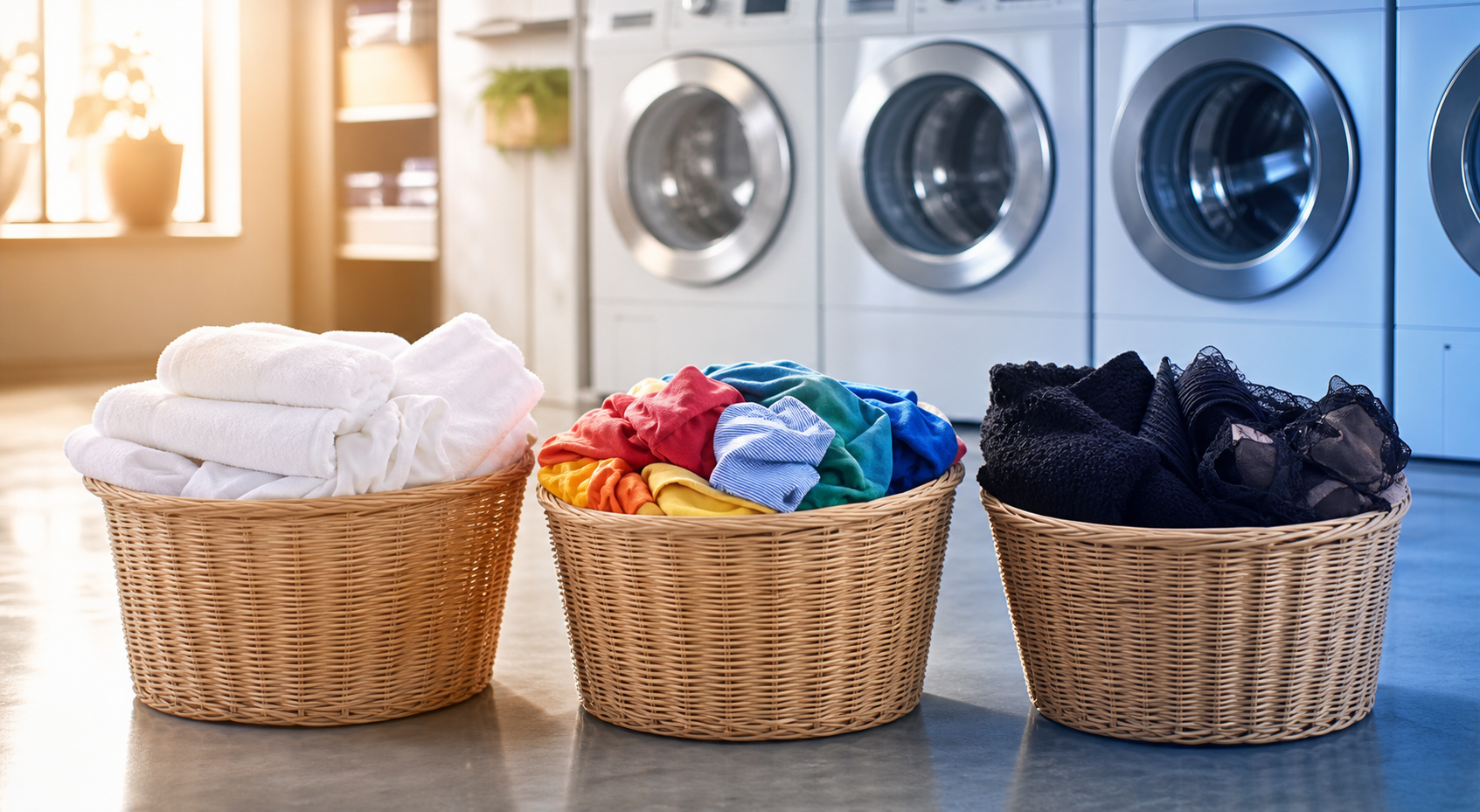
Hot water can be useful for white cotton towels, sturdy sheets, cleaning cloths, and items that need a stronger wash. It can also help after illness when the fabric can tolerate it. But hot water is not right for everything. It can shrink fabrics, fade colors, set some stains, and wear elastic faster. Always check the label first.
Match temperature to the stain
Protein stains like blood, sweat, and some food stains often do better with cold water at first because hot water can set them. Grease may need warm water and pretreatment. Sauce stains can vary, which is why WaveMAX also shares a grease and sauce stain guide for cookout and kitchen mishaps.
Do not forget the machine and load size
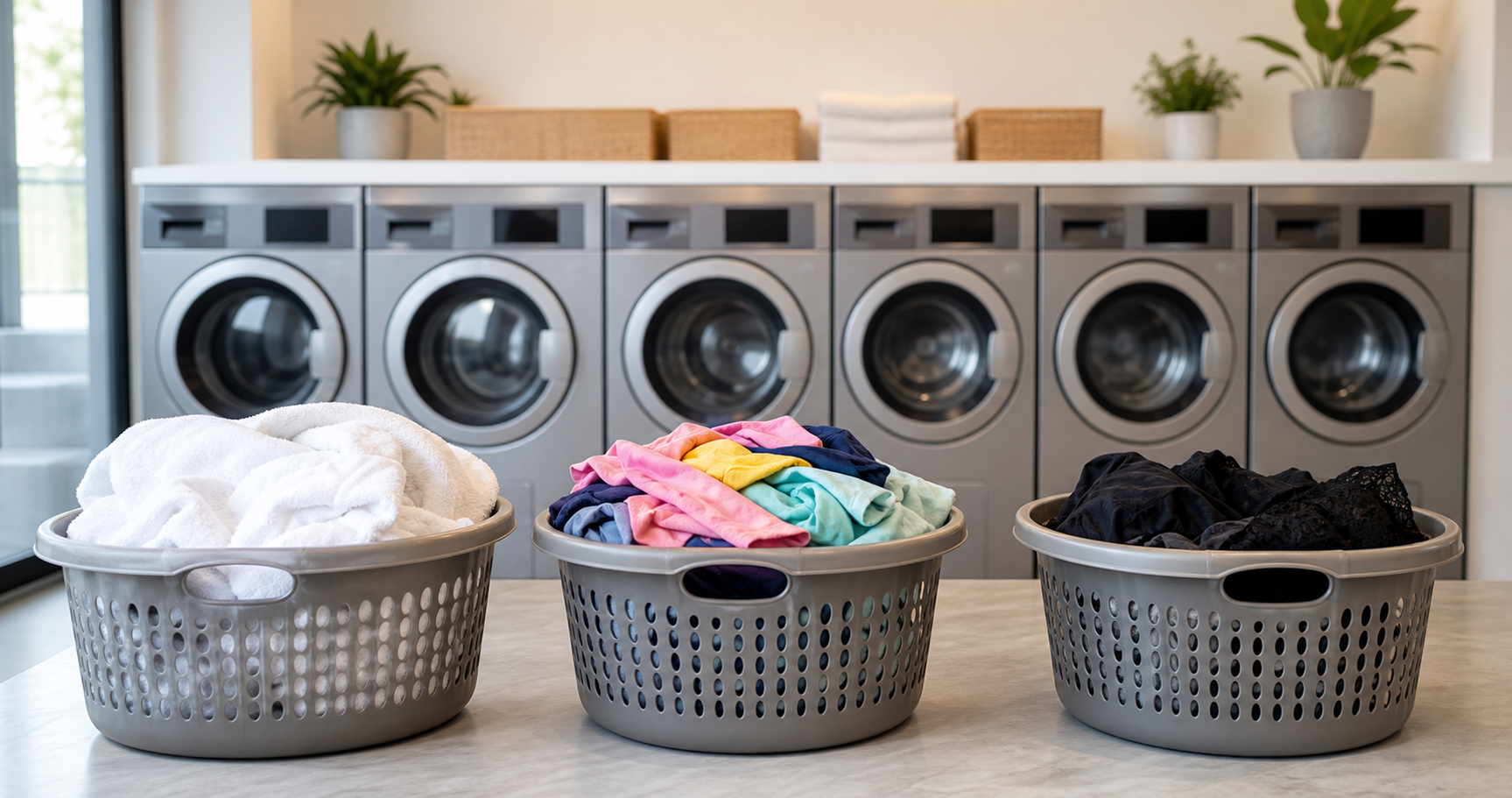
Temperature is only one part of the equation. A properly sized load, the right detergent amount, and enough rinse water matter too. If a washer is packed tightly, water temperature will not fix poor movement. For larger loads, a self-service laundry visit can give clothes and linens the room they need.
Ask for help when you are not sure
If you are washing a tricky load, WaveMAX attendants can help you choose a practical cycle. For busy weeks, the wash-dry-fold service is also an easy way to hand off the sorting, washing, drying, and folding.
The best rule is simple: Use the coolest water that will clean the load well, then move warmer only when the fabric and soil level call for it.