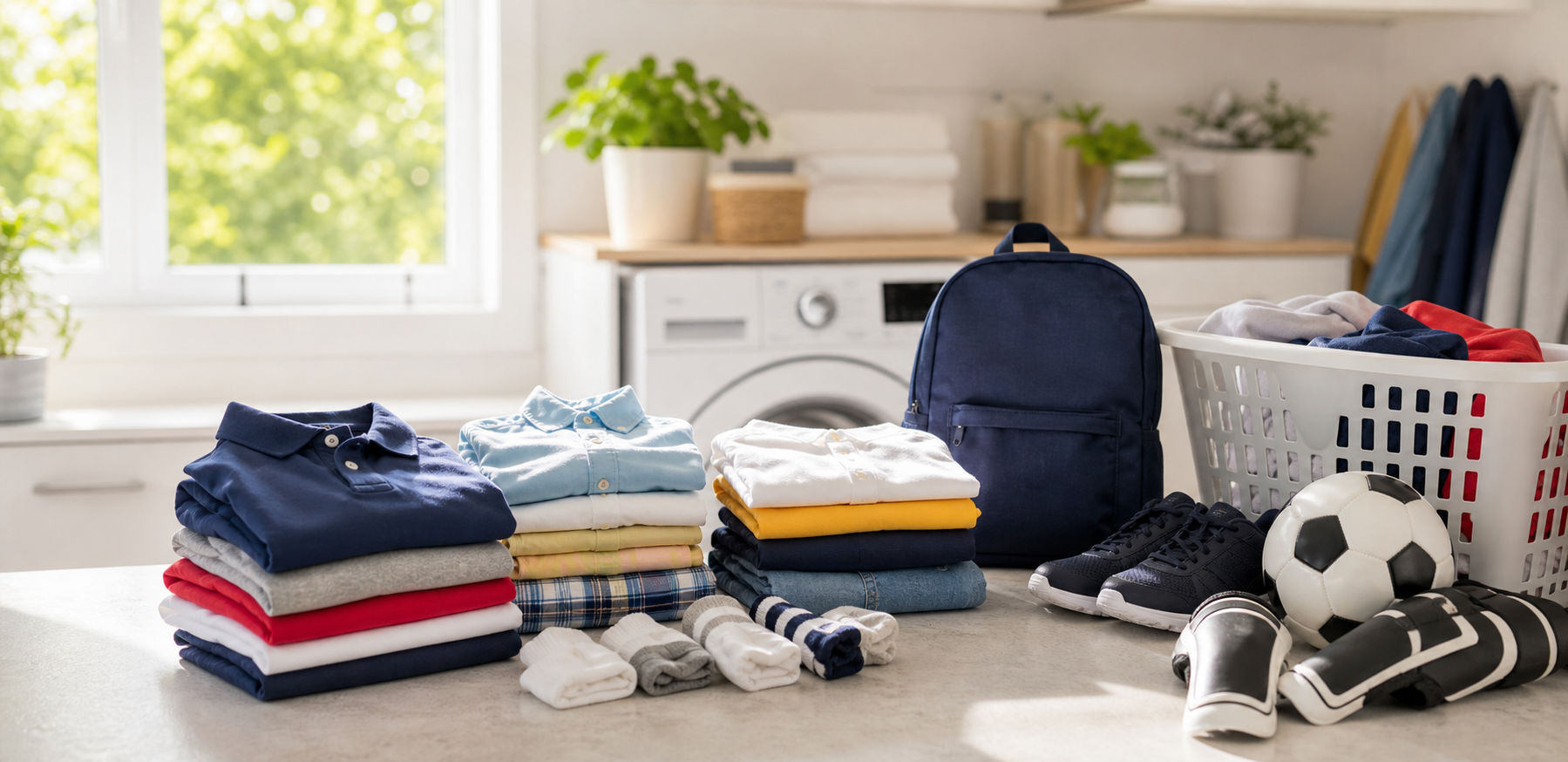
Packing summer clothes away may look as simple as filling a bin and sliding it onto a shelf. The condition of those clothes next spring, however, depends on what happens before the lid closes. Invisible food residue can darken over time, body oils can create yellowing or odors, trapped moisture can lead to mildew, and a poorly chosen storage spot can expose fabric to heat, pests, or sunlight.
A careful seasonal reset protects the clothes you already own and makes next year's wardrobe change easier. The process does not require specialty equipment. It requires honest sorting, thorough cleaning, complete drying, breathable organization, and a stable storage location.
Edit the wardrobe before washing everything
Take every summer item out of the closet and decide whether it is worth storing. Create groups for keep, repair, donate, recycle, and discard. Clothes that no longer fit or were not worn all season do not need to occupy storage space for another year.
Inspect the keep pile in good light. Check collars, underarms, cuffs, waistbands, pockets, hems, and the front of shirts for stains or damage. Make repairs before storage when practical. A loose button or tiny seam opening is easier to fix now than after months of pressure inside a bin.
Wash clothes before they disappear into storage
Do not store clothing because it “looks clean.” Sweat, skin oil, sunscreen, deodorant, beverages, and food can remain even when a stain is not obvious. Over time, residue can oxidize, attract pests, or produce stale odors.
Follow each garment's care label. Separate colors and fabric types, pre-treat stains with a fabric-safe product, and use the correct amount of detergent. Avoid overloading the washer; clothes need room to move and rinse. Do not add extra detergent hoping it will preserve the fabric. Residue left behind can make stored clothing feel stiff or smell odd.
Treat stains before heat sets them
Dryer heat can make some stains more difficult to remove. After washing, inspect previously stained areas before transferring the item to a hot dryer. If the mark remains, repeat a suitable treatment according to the product and care labels.
Never mix cleaning chemicals, and test unfamiliar stain removers on a hidden area. Delicate, vintage, or valuable garments may need professional care. If you cannot identify a stain, start with the gentlest reasonable approach rather than scrubbing aggressively and weakening the fibers.
Dry every layer completely
Moisture is one of the biggest storage problems. Thick seams, elastic waistbands, pockets, hoodie layers, and rolled cuffs can feel dry on the outside while holding dampness within. Use a fabric-safe dryer setting or air-dry as directed, then allow items to cool before packing.
Check every garment by touch. If anything feels cool or damp, give it more time. Do not pack clothes directly from a humid laundry room. A few extra hours in a dry indoor space is far safer than sealing residual moisture into a container for months.
Fold to reduce stress and permanent creases
Fold knits, lightweight shirts, shorts, and casual dresses loosely along natural seams. Avoid stretching garments over hangers for long storage, especially sweaters and delicate knits. Use acid-free tissue for fragile folds if appropriate, and do not pack bins so tightly that fabric is crushed.
Some structured garments are better stored on supportive hangers in breathable garment bags. Avoid thin dry-cleaning plastic for long-term storage because it can trap moisture and chemicals. Never place scented products directly against fabric.
Choose containers that match the location
Clean, dry plastic bins protect against dust and minor moisture in many household spaces, while breathable fabric boxes work well in a clean, climate-controlled closet. Whatever you choose, wash or wipe the container first and let it dry fully.
Use clear bins or an external inventory label, but do not write directly on clothing. Group items logically: children's sizes, swimwear, warm-weather work clothes, or vacation pieces. Place the items you may need for travel near the top. Avoid cardboard in damp basements or pest-prone garages.
Pick a cool, dry, dark storage space

A climate-controlled interior closet is generally safer than an attic, shed, or garage. Heat accelerates fabric deterioration, direct sunlight can fade color, and temperature swings encourage condensation. Keep bins off concrete floors and away from plumbing, exterior walls that collect moisture, and obvious pest access.
If you use cedar, make sure the wood does not touch fabric directly because oils can transfer. Replace strong chemical mothball habits with proper cleaning, sealed or appropriate breathable storage, and routine inspection. Follow all pest-control product directions and keep products away from children and pets.
Store seasonal extras with the same care
Summer storage may include beach towels, picnic blankets, lightweight bedding, sports uniforms, and patio textiles. Wash these items according to their labels, remove sand or debris, and dry them completely. Bulky loads need enough machine space to rinse and dry evenly.
WaveMAX's large-capacity laundromat machines can help when blankets or family-size loads crowd a home washer. Families who would rather skip a full day of washing can use drop-off laundry service or explore wash-dry-fold options. The Ozone system adds hospital-grade sanitation, helps kill bacteria, mold, and viruses, reduces odors, keeps laundry fresh, softens fabric, and can support longer fabric life. Learn more in Nature's Sanitizer: What Is Ozone in Laundry?
Make a quick inventory for next spring
Before closing each container, take a photo or create a short list of what is inside. Note children's sizes, missing basics, and items that need repair. This prevents duplicate shopping and lets you find a swimsuit or warm-weather outfit without opening every bin.
Set a reminder to inspect stored clothing midway through the season, especially if the location is new. Look for moisture, pests, unusual odors, or container damage. Catching a problem early can save an entire wardrobe.
Fresh next season starts with clean storage today
The best storage method is not a perfect folding trick; it is a complete preparation process. Keep only what you will use, wash away hidden residue, treat stains before drying, verify that every layer is dry, choose a stable location, and avoid overpacking.
When spring returns, your clothes should be ready to wear rather than headed straight into a rescue wash. For large seasonal loads, visit the WaveMAX laundromat, use convenient drop-off laundry service, or contact WaveMAX to ask which local option fits your schedule.