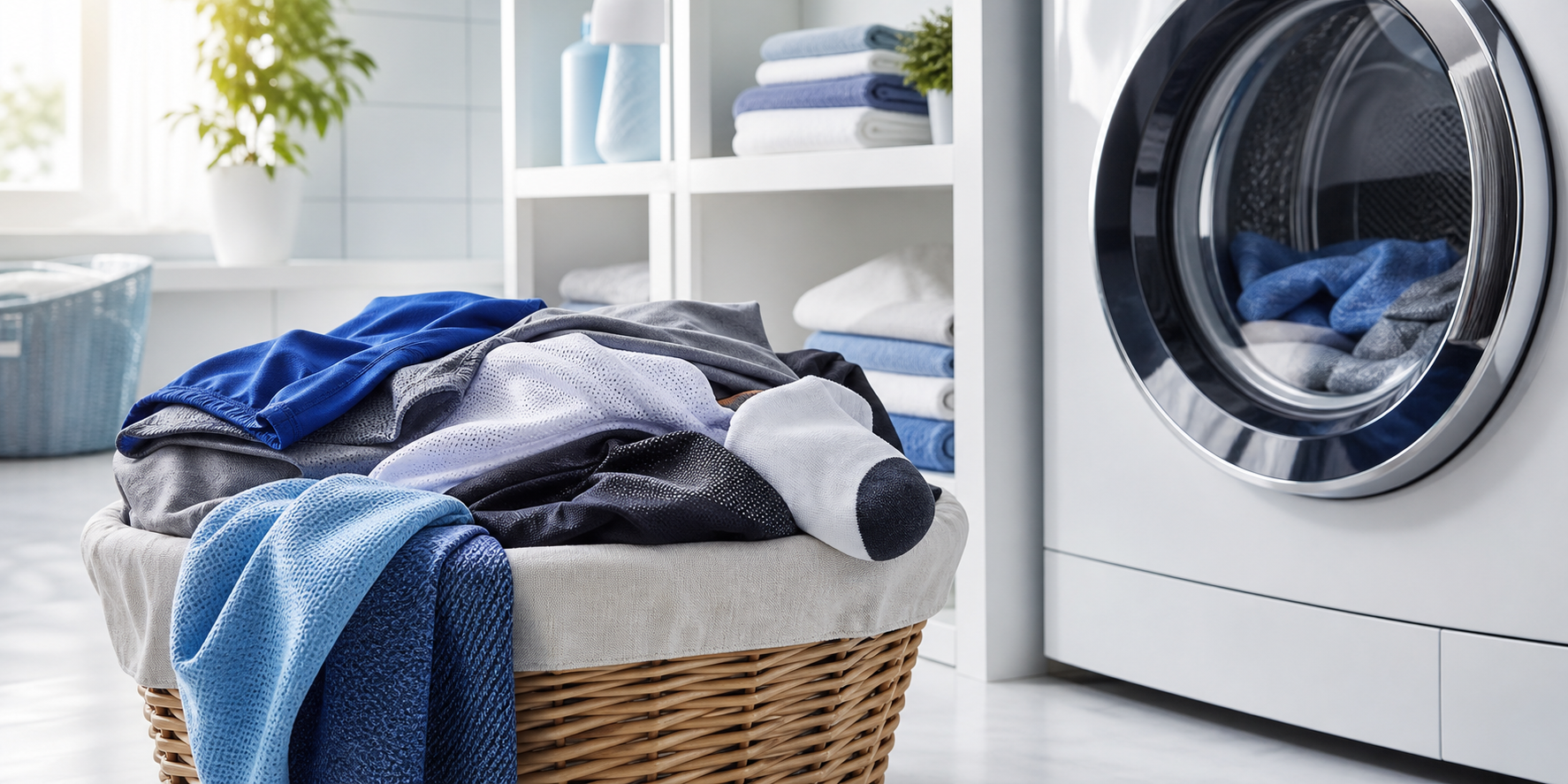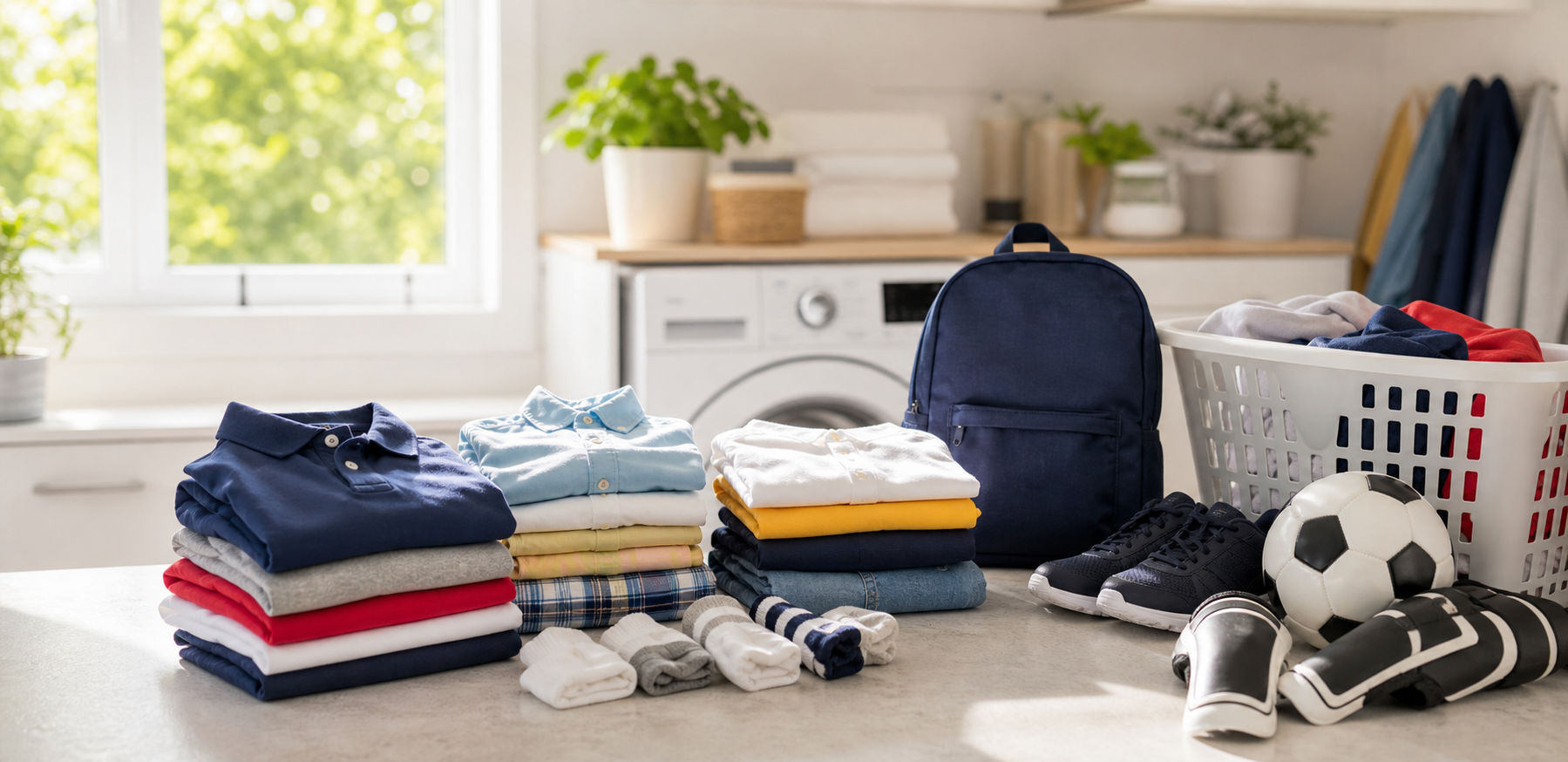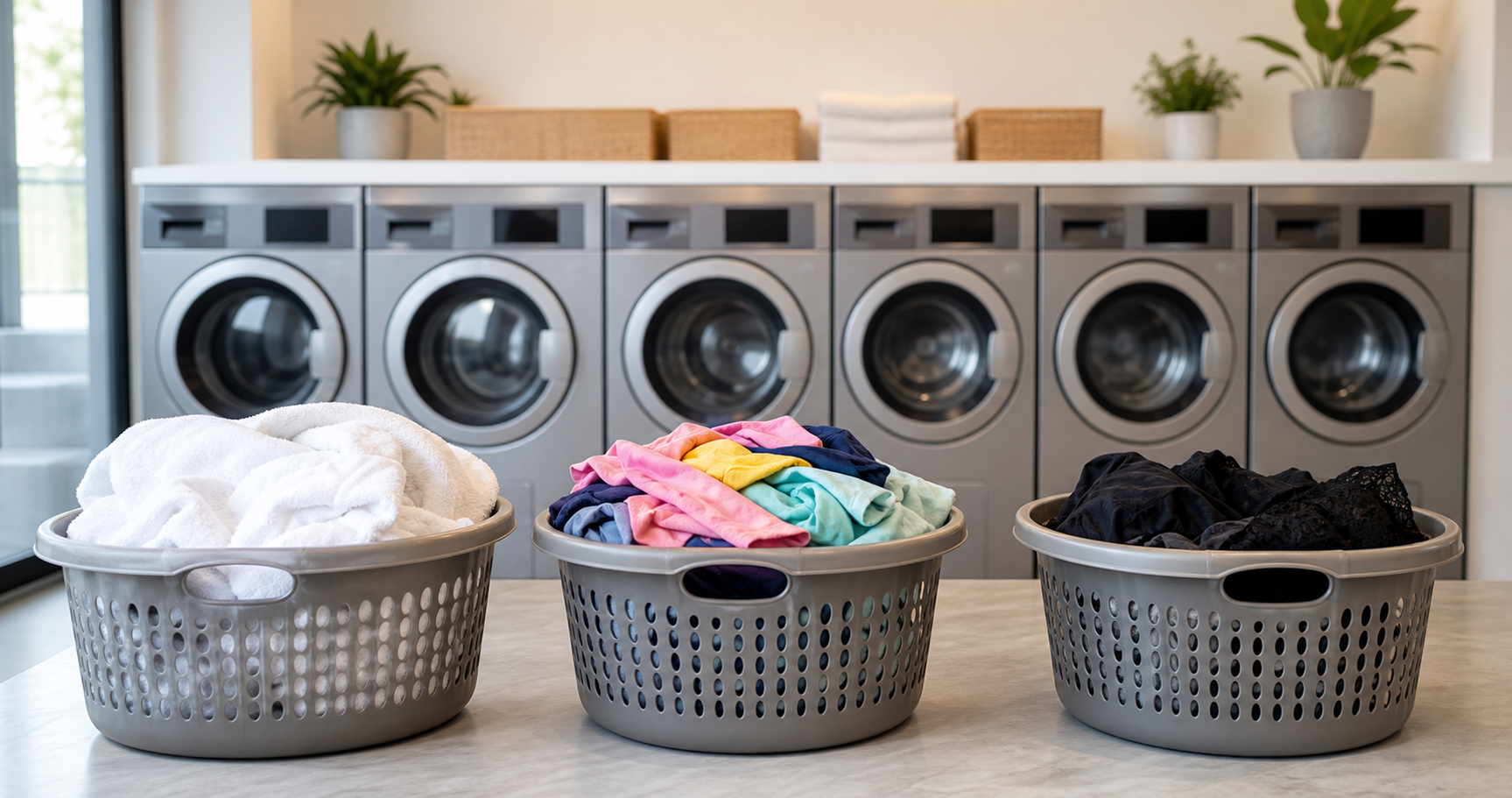
Seasonal allergy season is not limited to what is floating outside. Pollen, dust, pet dander, and other fine particles can settle on jackets, school clothes, towels, pillowcases, and blankets, then travel into bedrooms and living spaces. Laundry cannot treat allergies or replace medical advice, but a thoughtful wash routine can reduce the amount of outdoor debris and household dust that stays in washable fabrics.
The good news is that the most useful steps are simple: separate outdoor items, wash them on a sensible schedule, follow care labels, dry everything completely, and keep clean laundry away from the surfaces where irritants collect. Here is a practical routine families can use throughout Colorado's spring, summer, and early-fall allergy seasons.
Create a landing zone for outdoor clothing
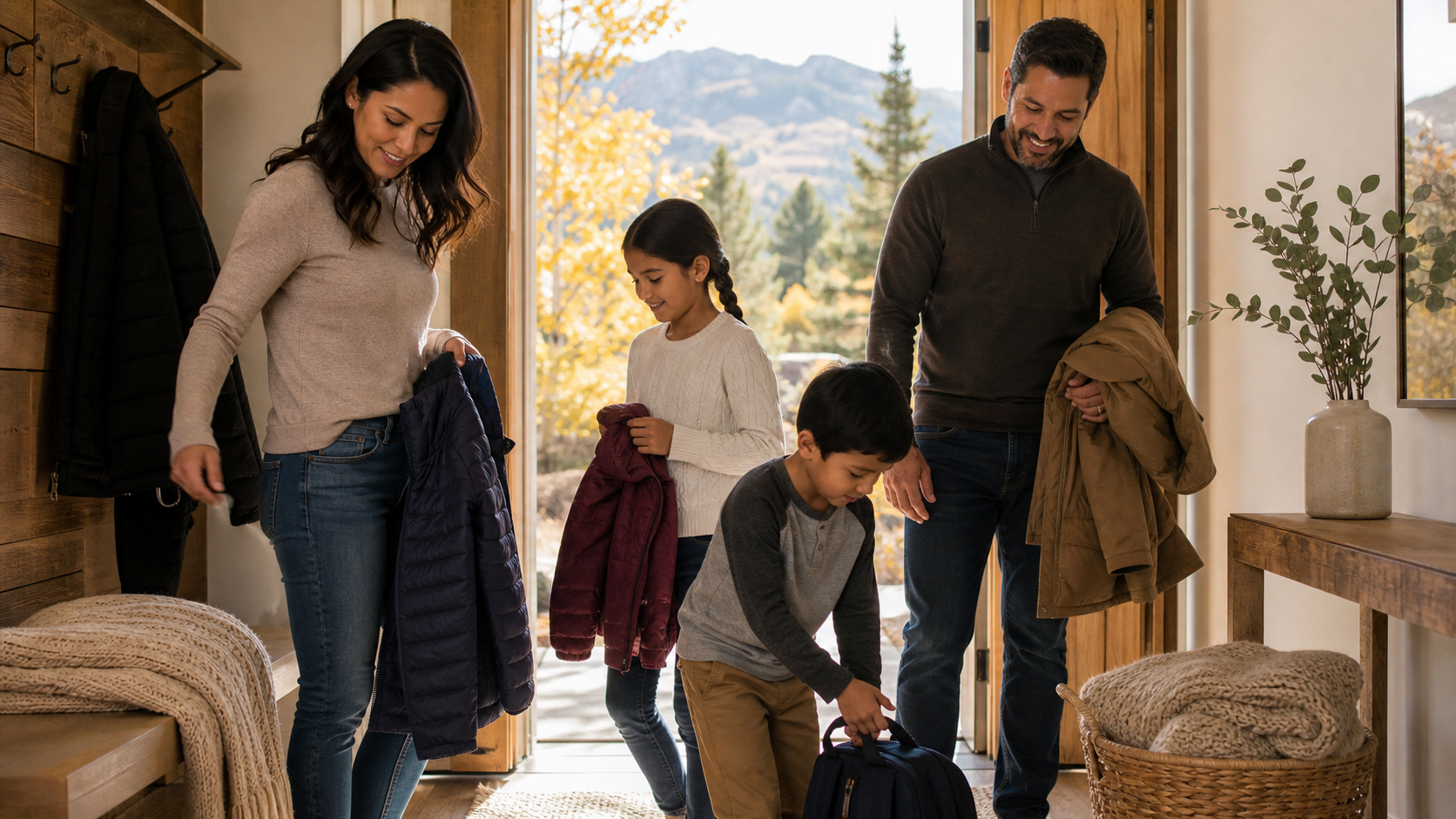
Pollen transfers easily from jackets, backpacks, hats, and pant legs to upholstered furniture and bedding. Instead of dropping outdoor layers on a sofa or bed, create a small entryway zone with hooks, a washable mat, and a hamper or laundry bag. This limits how far debris travels before wash day.
During high-pollen weeks, change out of outdoor work, school, or play clothes soon after coming home. You do not need to wash every item after a few minutes outside, but clothing worn for yardwork, hiking, sports, or long outdoor events deserves prompt attention. Shake debris off outdoors when practical, then place the item directly in the hamper rather than carrying it through the house.
Wash bedding and pillowcases consistently
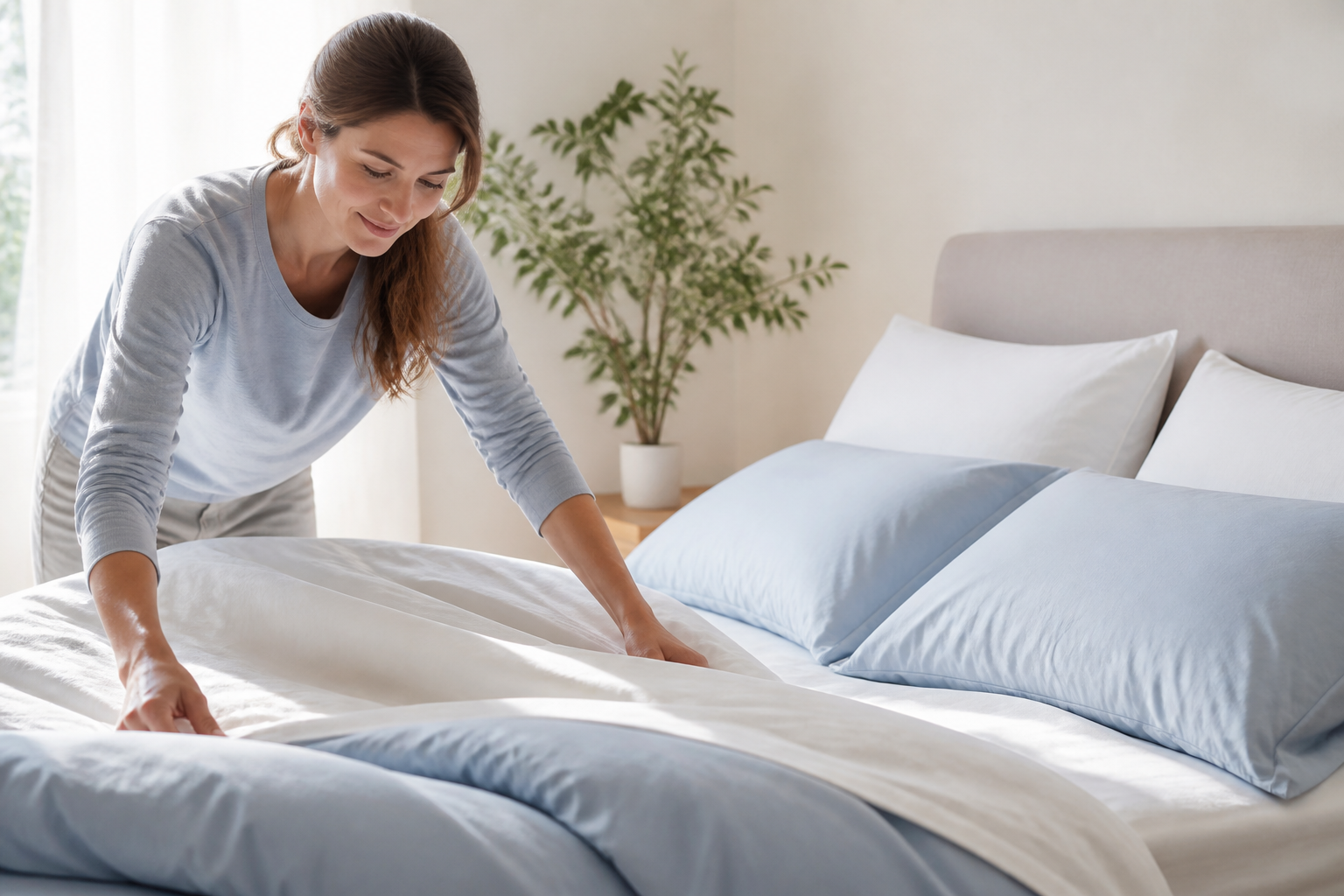
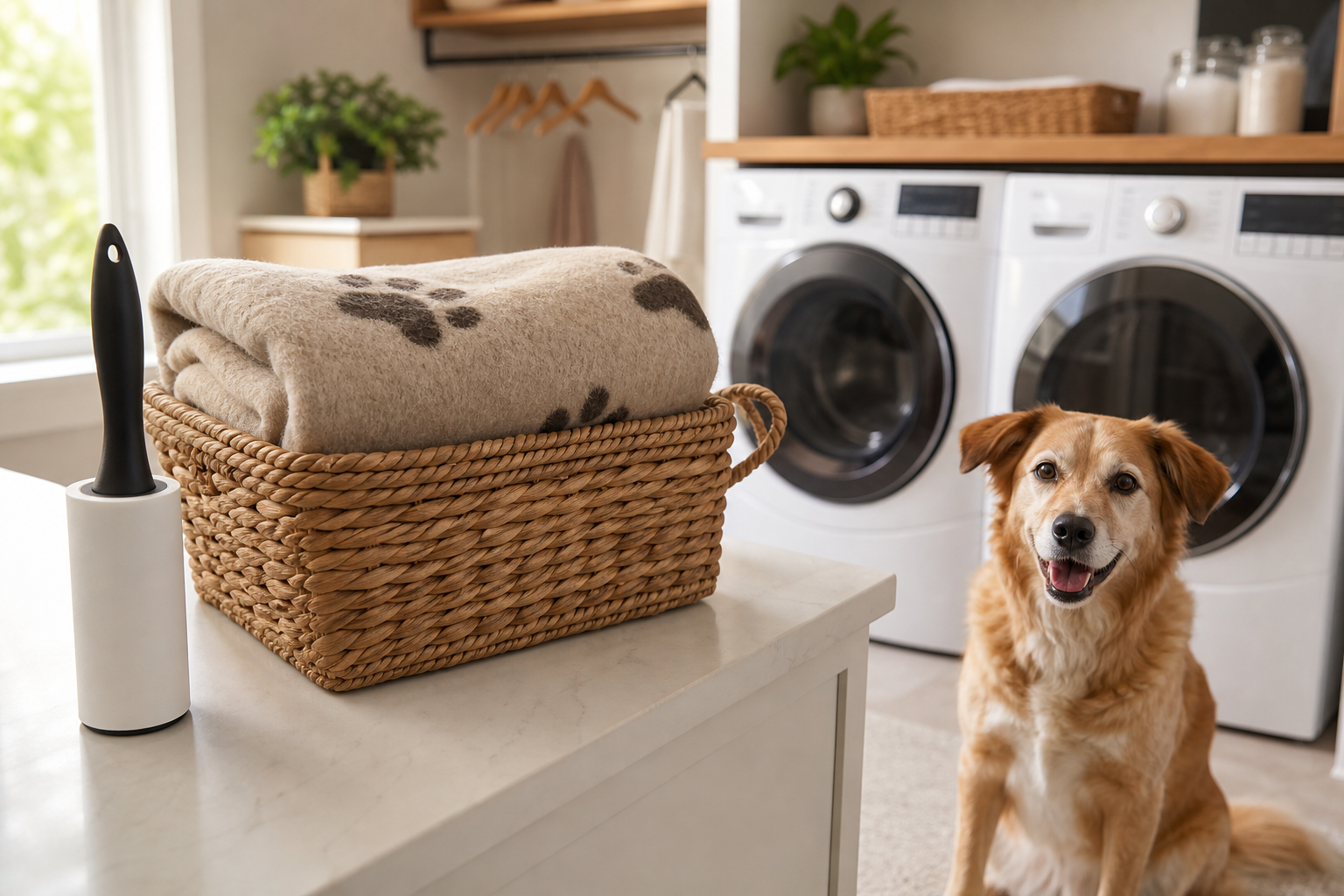
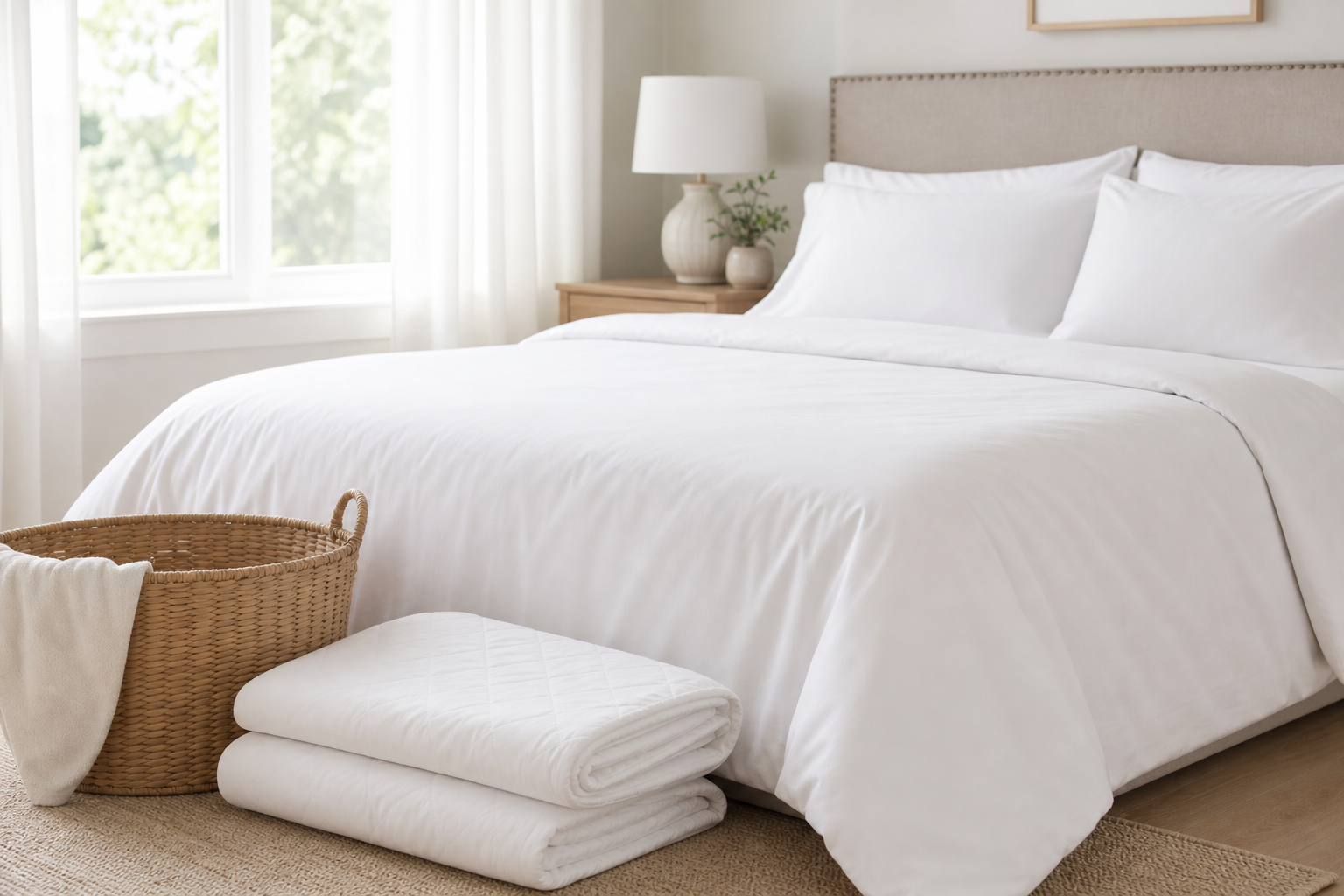
Pillowcases sit close to your face for hours, while sheets collect skin cells, dust, hair, and particles transferred from pajamas. A regular bedding schedule helps prevent that mixture from accumulating. Many households do well washing sheets and pillowcases weekly, although pets on the bed, heavy perspiration, or a particularly dusty environment may call for more frequent washing.
Always check the care label before selecting water temperature. Use the warmest setting the fabric safely allows, along with the correct amount of detergent. More detergent is not automatically cleaner; excess product can remain in fibers when a load is overloaded or poorly rinsed. Wash mattress covers, duvet covers, and washable pillow protectors on the schedule recommended by their manufacturers.
Give each load enough room to move
Stuffing a washer tightly can prevent water and detergent from circulating through sheets, blankets, and layered clothing. That means soil and irritants may not rinse away as effectively. Large bedding loads also become unbalanced and may stay damp in thick folds.
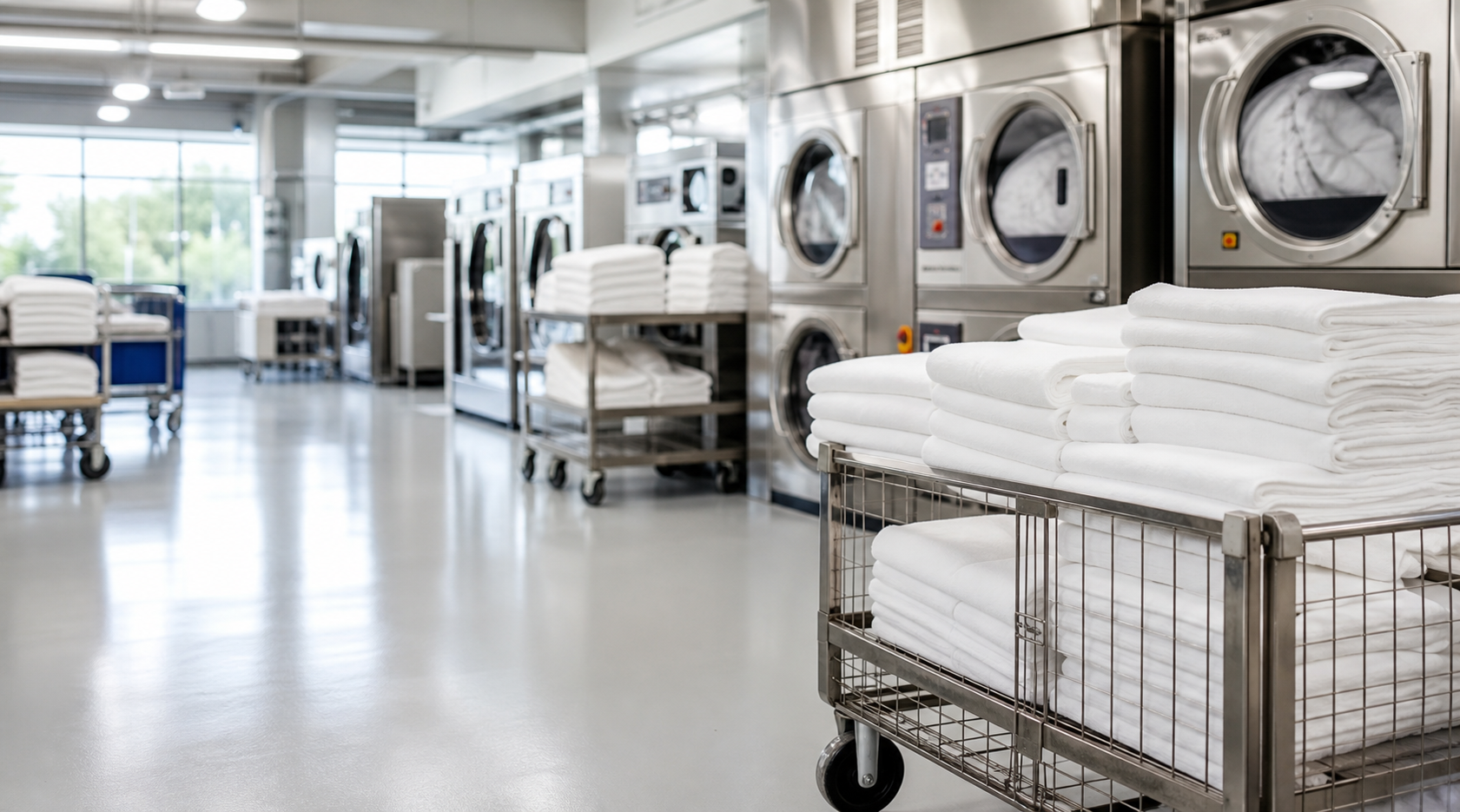
Use a machine that comfortably fits the load. WaveMAX's large-capacity laundromat machines can be helpful for comforters, blankets, and family-size bedding that crowd a home washer. Whether washing at home or at a laundromat, keep unlike items separate when lint transfer is a concern, and do not mix heavily soiled outdoor clothes with lightly worn sleepwear.
Choose fragrance and products thoughtfully
A strong scent is not proof that laundry is clean. For people who are sensitive to fragrance, dyes, or product residue, an unscented detergent may be a better fit. Follow the label's dosing instructions, account for load size and water hardness, and avoid pouring extra detergent into the machine “just in case.”
Fabric softener and scent beads can leave coatings or fragrance behind. If someone in the household finds those products irritating, simplify the routine and see whether less product improves comfort. Never combine cleaning chemicals casually, and do not use a treatment unless both the product label and garment care label support it.
Dry laundry completely before storing it
Damp fabric can develop stale odors and create conditions that favor mildew. Move washed items to the dryer promptly, untangle sheets so air can circulate, and choose a fabric-safe heat setting. Bulky blankets may need extra time or repositioning to dry evenly.
Before folding, check seams, corners, waistbands, and thick layers for hidden moisture. Clean the dryer's lint screen before each cycle, and keep the folding surface clean. Once dry, store bedding in a closed cabinet, drawer, or breathable container rather than leaving it exposed near an open window during a high-pollen day.
Keep the washer, hamper, and laundry area clean
A clean routine includes the equipment and containers that touch the load. Wipe hamper interiors, wash reusable laundry bags, and clean folding counters regularly. At home, follow the washer manufacturer's directions for cleaning the drum, gasket, dispensers, and filters. Leave the door or lid open when appropriate so the machine can dry between uses.
Do not put freshly cleaned laundry back into the same unwashed basket that carried muddy sportswear or pollen-covered jackets. A wipeable divided hamper, or separate clean and dirty baskets, makes this easy.
Use Ozone as one part of a fresh-laundry routine
WaveMAX Thornton uses an Ozone wash system as an important value-add. Ozone is an all-natural, hypoallergenic laundry technology that provides hospital-grade sanitation, helps kill bacteria, mold, and viruses, reduces odors, and can help laundry feel fresher and softer while supporting fabric life. Learn more in Nature's Sanitizer: What Is Ozone in Laundry?
Ozone is not a medical treatment and does not make a home allergen-free. It is best understood as part of a complete wash process that also includes proper sorting, enough machine capacity, correct detergent dosing, thorough rinsing, and complete drying.
Build a realistic high-pollen-week plan
A sustainable routine is better than an exhausting one. Prioritize the fabrics that spend the most time close to the body: pillowcases, sheets, towels, pajamas, children's clothing, and pet bedding. Add outdoor layers after yardwork, sports, or windy days. If the forecast is dry and pollen is high, consider drying sensitive loads indoors rather than on an outdoor line.
Families short on time can use WaveMAX drop-off laundry service or pickup and delivery for a convenient reset. For oversized bedding or do-it-yourself loads, the self-service laundromat offers large machines and attendants who can help you choose an appropriate cycle. If you have questions about current services, contact WaveMAX before your visit.
A cleaner routine without overcomplication
Laundry cannot remove every irritant from daily life, but it can keep washable fabrics from becoming long-term collection points. Separate outdoor clothes, wash priority items regularly, avoid overloading, use products carefully, dry completely, and protect clean laundry from re-exposure. Those small habits add up to a fresher bedroom, cleaner soft surfaces, and a routine that is easier to maintain all season.