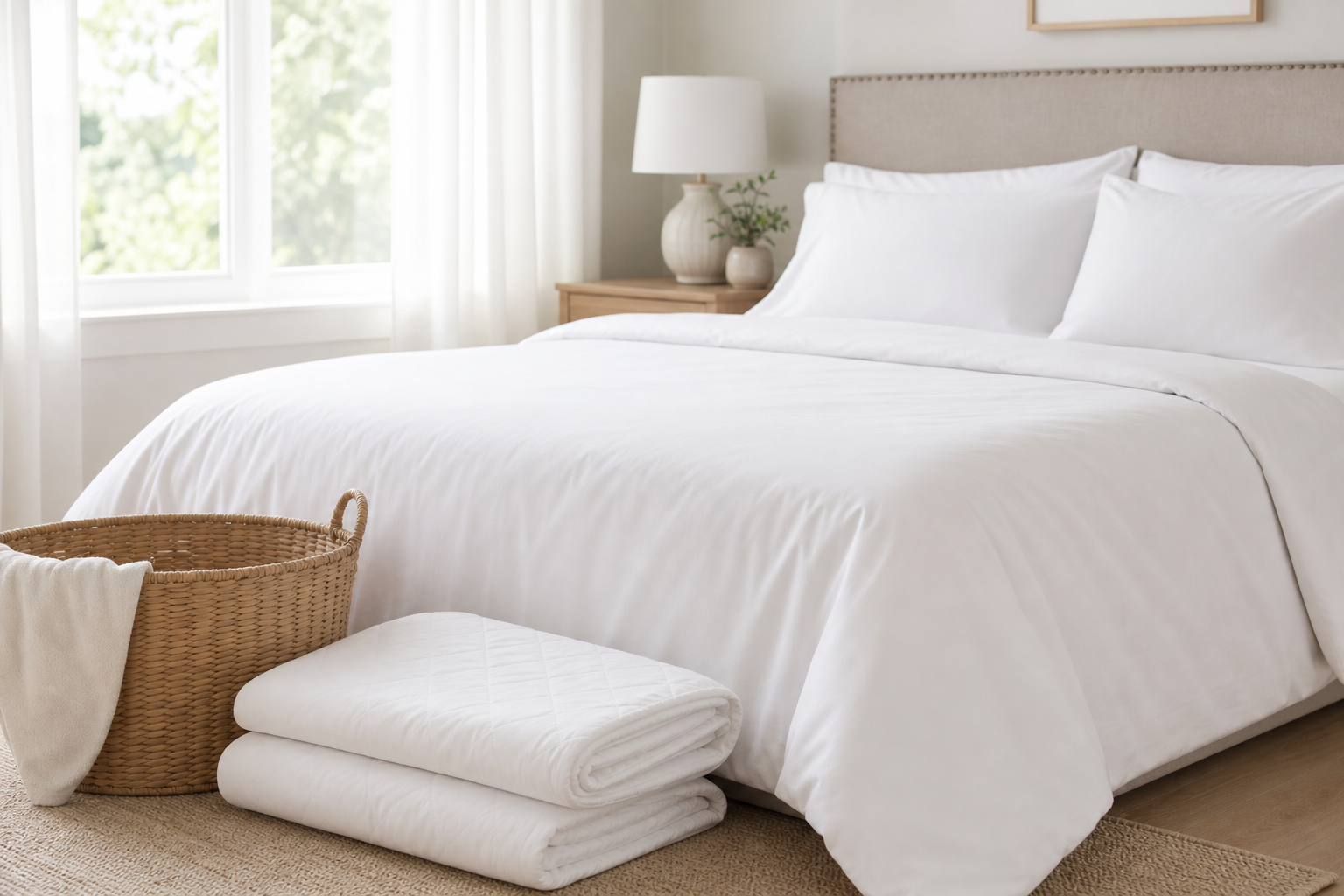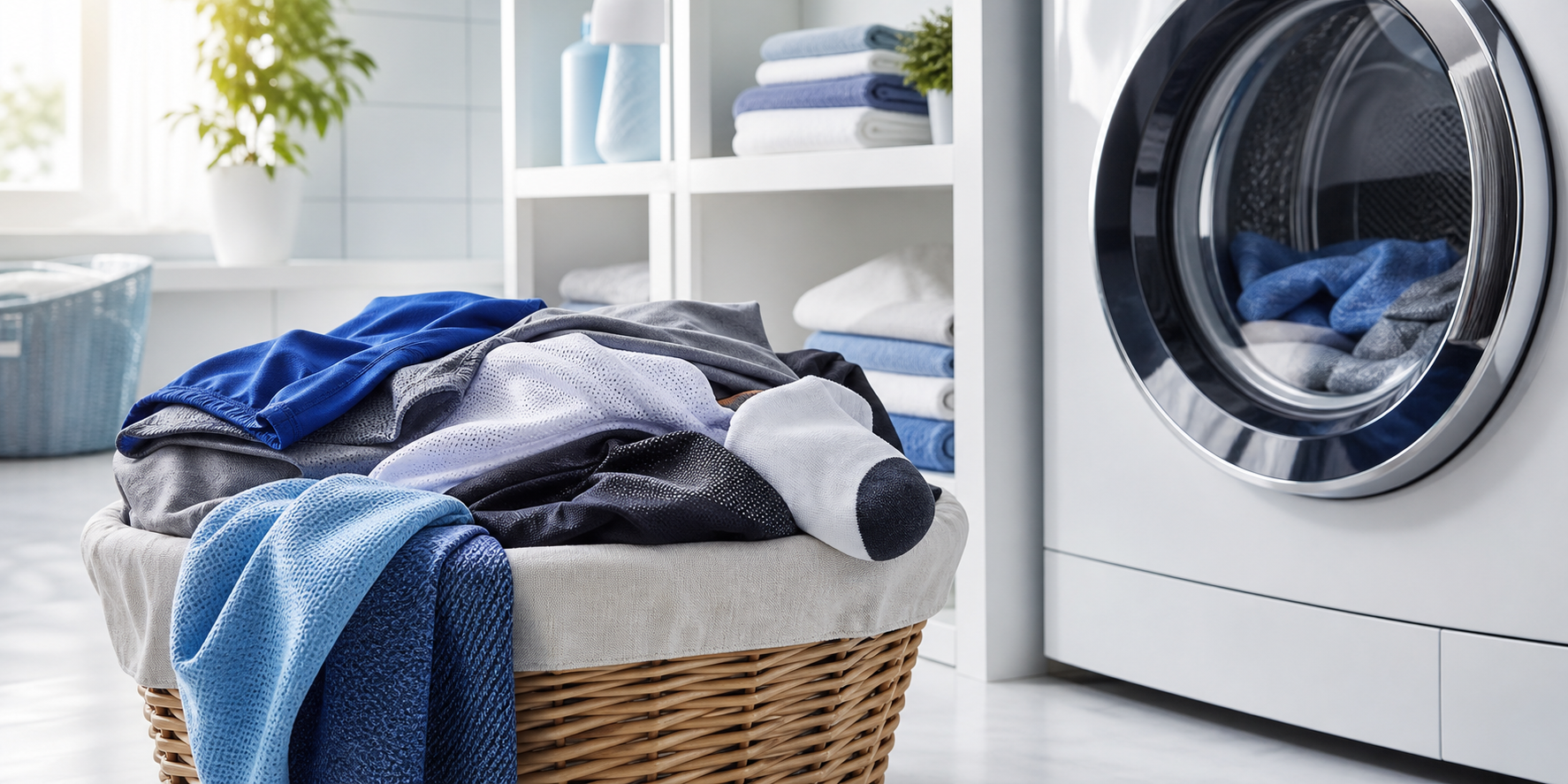
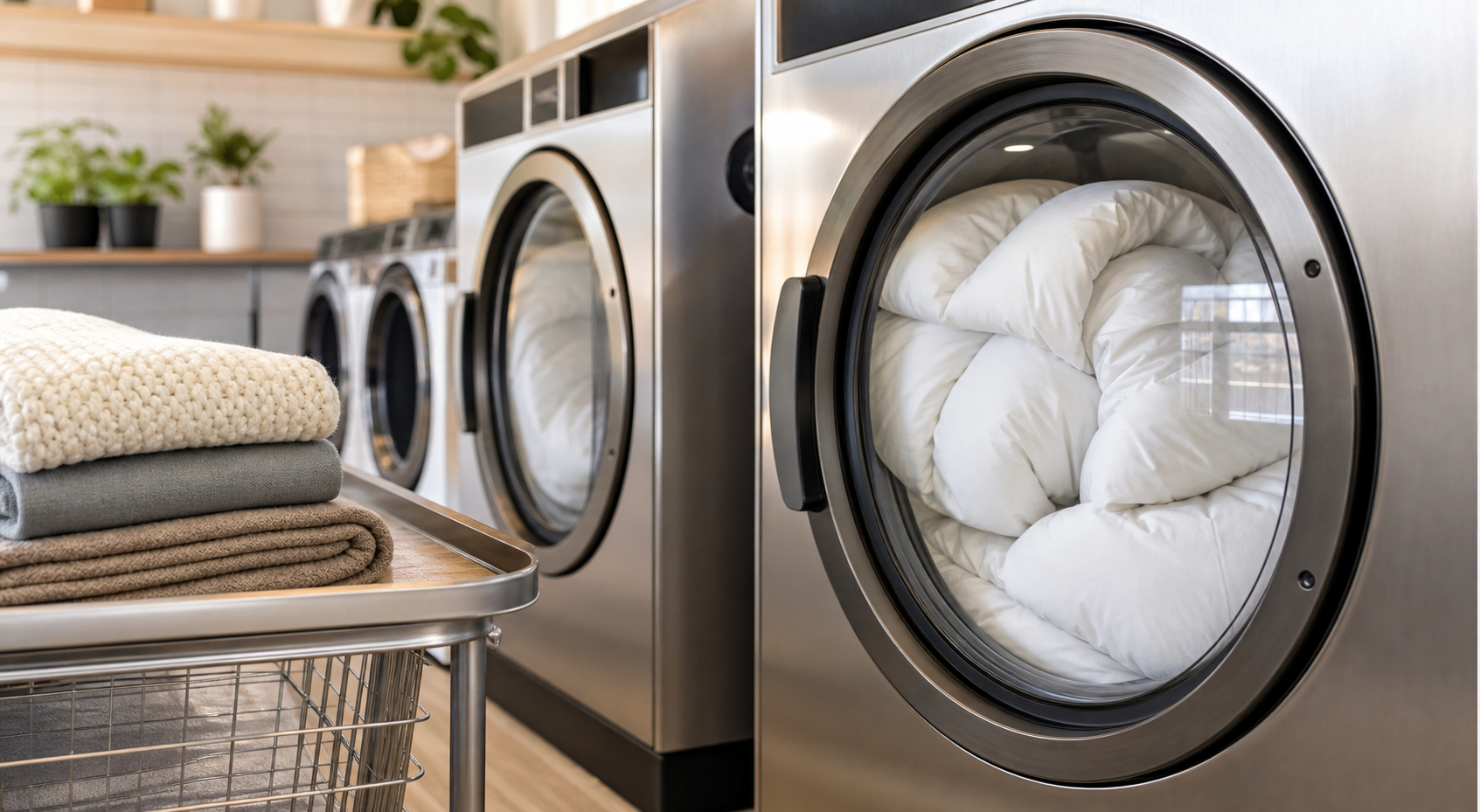
Bulky bedding is one of those laundry jobs that sounds simple until a comforter wraps itself into a tight ball, comes out with damp corners, or takes all afternoon to dry. Comforters, blankets, quilts, and mattress toppers need more space and airflow than a normal clothing load. When they do not get it, detergent can get trapped, soil can stay in the middle of the bundle, and the filling can dry unevenly.
Check the care label before anything else
Start with the tag. Many cotton, polyester, and microfiber comforters can be machine washed, while some wool, down, weighted, or decorative bedding may need special care. Look for water temperature, drying instructions, and whether bleach or high heat is discouraged. If the tag says dry clean only, it is best not to guess.
Use a washer with enough room
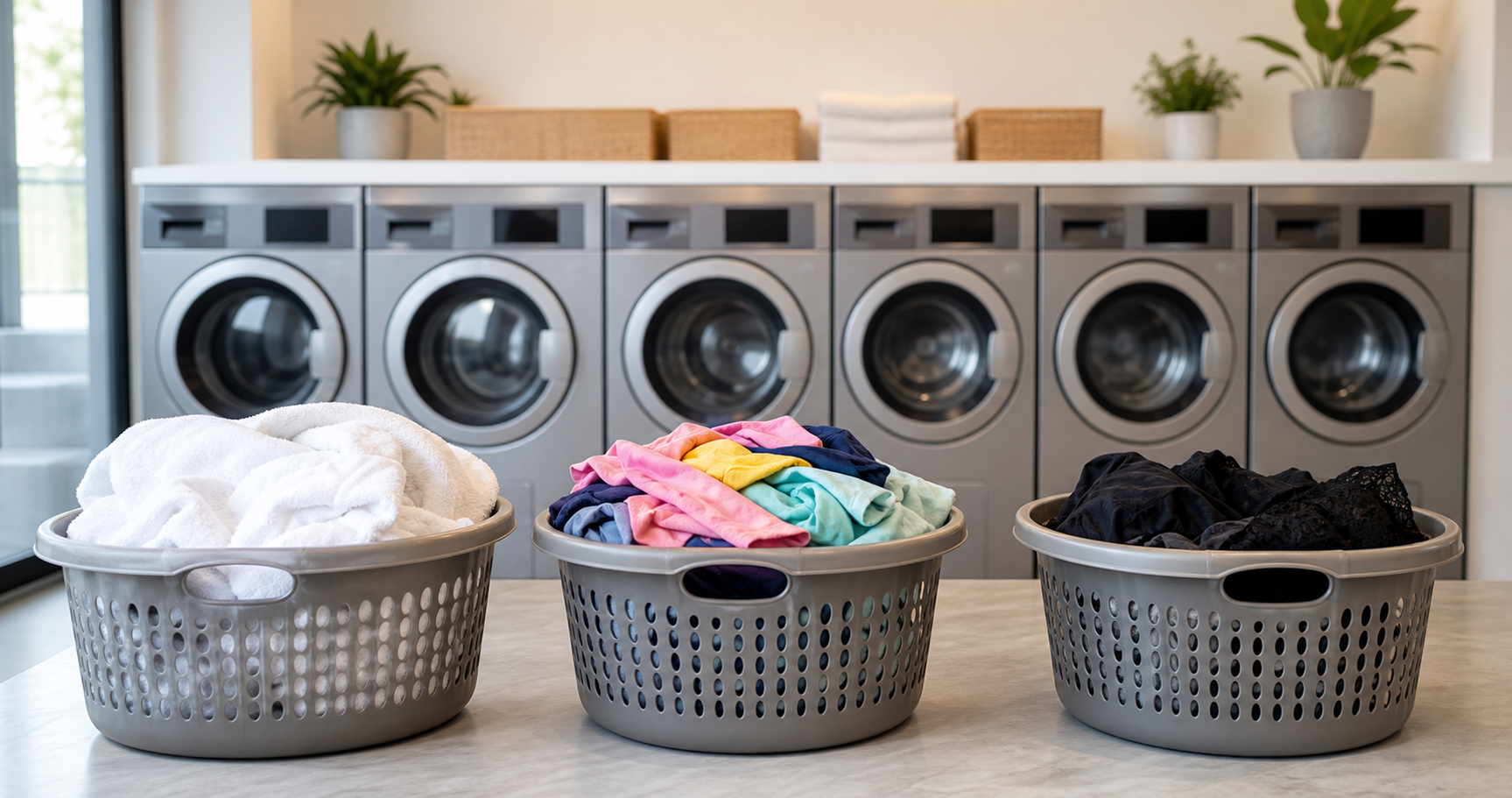
A comforter should have room to move. If you have to force it into the drum, the machine is too small. Overstuffing leads to poor rinsing, extra wear on seams, and a higher chance of musty odors. This is where a laundromat with large-capacity washers can make a big difference. WaveMAX offers self-service laundry options for oversized loads, and many customers also choose the wash-dry-fold service when bedding day turns into a bigger project than expected.
Pretreat spots and edges
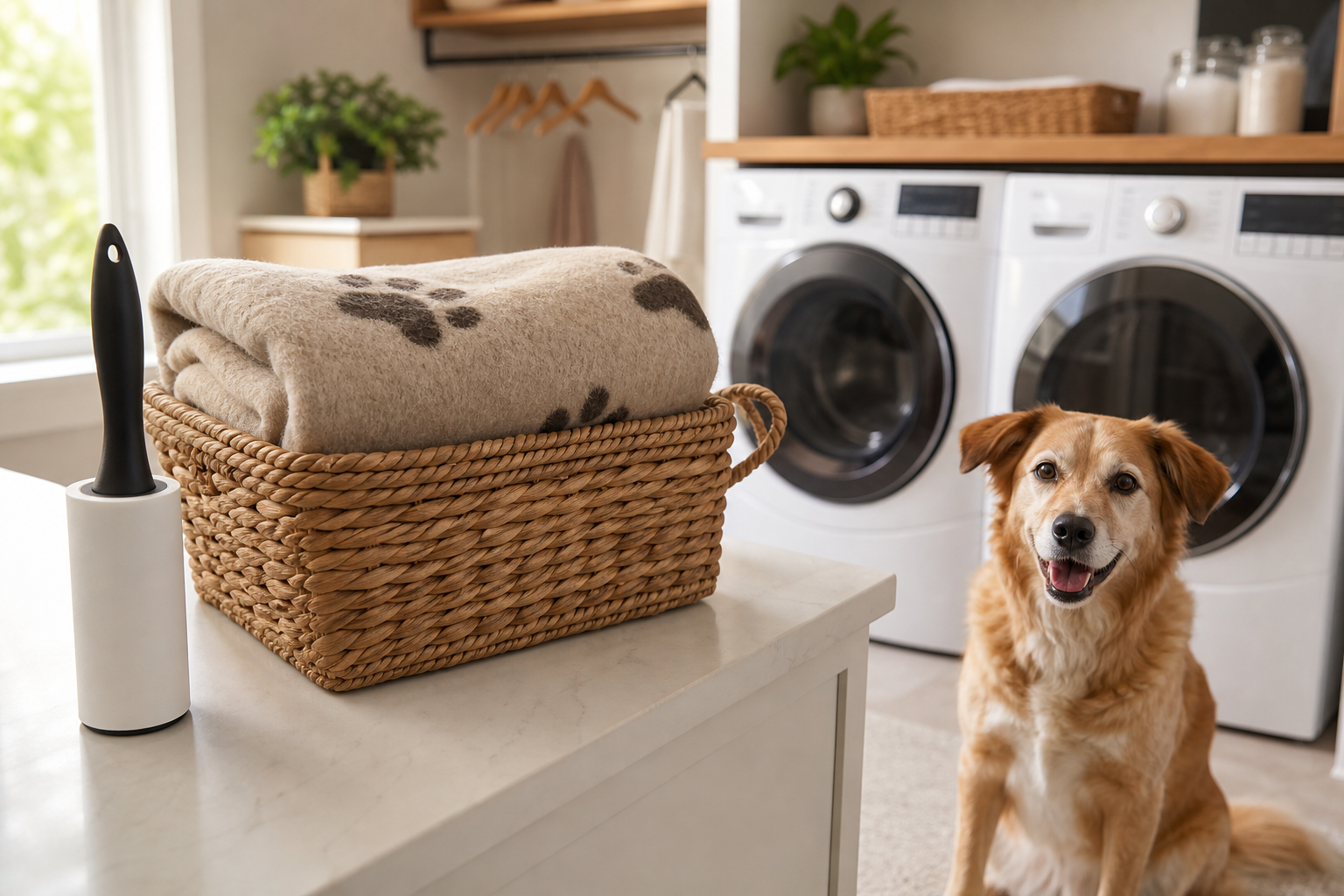
Before washing, check the top edge, foot area, and any spots from pets, snacks, or body oils. Use a small amount of appropriate stain remover or detergent and gently work it in. Avoid soaking the entire comforter in heavy detergent. More soap does not mean cleaner bedding; it usually means more residue to rinse out.
Choose a gentle cycle and moderate detergent
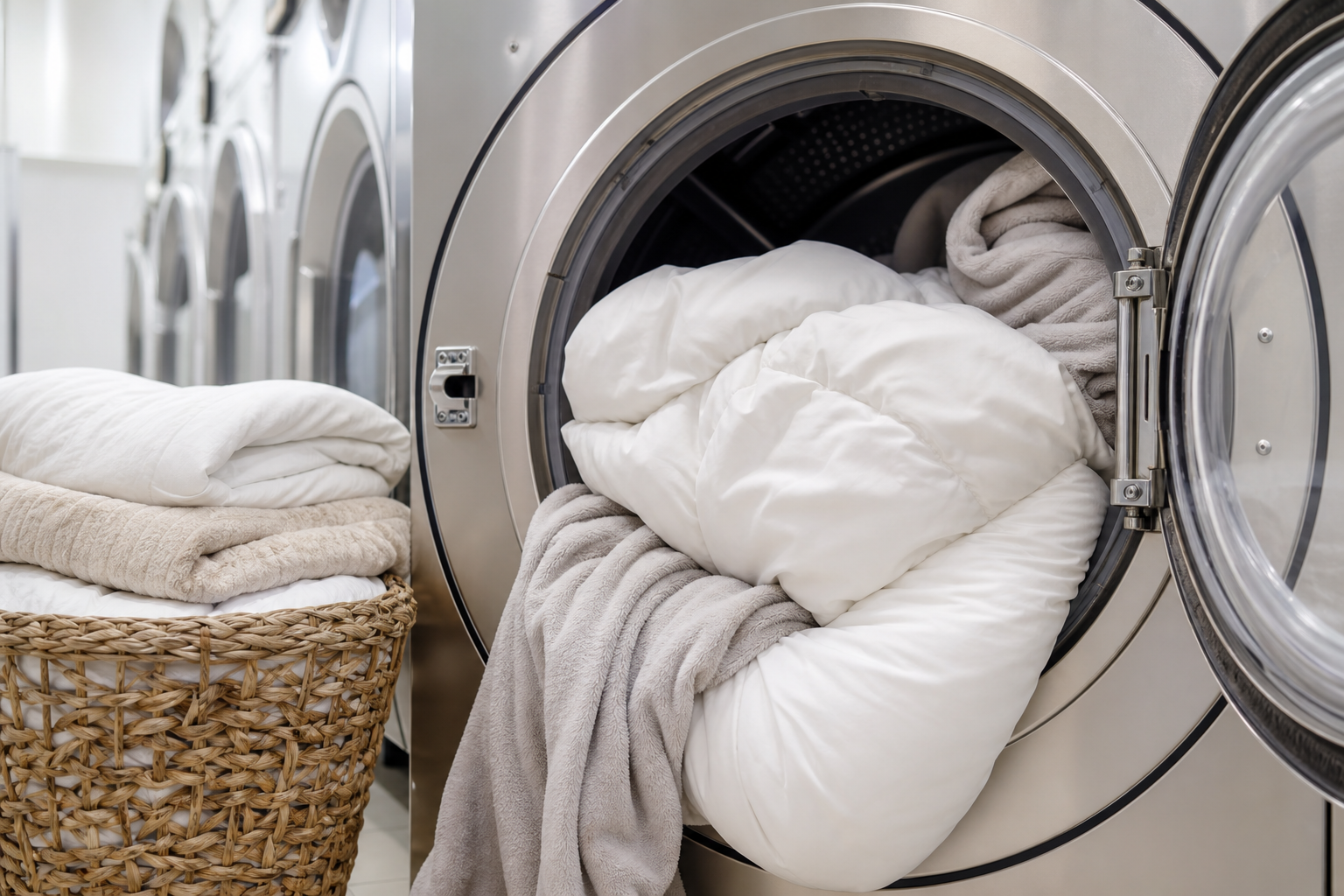
Most washable comforters do well on a gentle or bulky cycle with cool or warm water. Use less detergent than you would for a full clothing load, especially with high-efficiency machines. Bedding holds water and soap deeply, so a second rinse can be helpful if the item feels slick or looks sudsy.
Dry completely, not just mostly
The drying step matters as much as washing. Use low to medium heat if the care label allows it, pause to fluff and reposition the bedding, and make sure the center is completely dry before folding it. A comforter that feels dry outside can still hide damp filling inside. That trapped moisture is a common cause of mildew smells.
Wash bulky bedding on a sensible schedule
Comforters do not need washing every week, but they should be cleaned seasonally, after illness, after pet accidents, or whenever odors build up. Sheets and pillowcases need more frequent care; WaveMAX has a separate bed linen care guide that helps with that schedule.
If your bedding is too large for your home washer, bring it to WaveMAX in Thornton for large-capacity machines, or let the team handle it through drop-off laundry service. You will save time, protect the bedding, and get a fresher result without wrestling a comforter in a small washer.